Introduction
When it concerns conserving lives, couple of abilities are as critical as Cardiopulmonary Resuscitation (MOUTH-TO-MOUTH RESUSCITATION). Whether you're a spectator or a qualified healthcare provider, understanding just how to effectively execute CPR can indicate the distinction between life and death. One aspect that commonly generates dispute amongst doctor and laymans alike is the slow compression rate during mouth-to-mouth resuscitation. This post dives deep into the nuances of mouth-to-mouth resuscitation, exploring how a slow compression price can be stabilized with effective lifesaving techniques.
In this detailed overview, we'll cover whatever from basic vs sophisticated life support to the protocols involved in public defibrillator usage. We'll additionally check out topics such as checking responsiveness, determining no breathing, and keeping composure throughout an emergency. By the end of this short article, you'll have a robust understanding of CPR and its various components, making you much better prepared to act when it counts.
Slow Compression Rate: Finding the Right Balance in CPR
Understanding the ideal compression rate is important for efficient mouth-to-mouth resuscitation. The American Heart Organization (AHA) suggests a compression price of 100-120 compressions per min for grownups and kids. Nevertheless, some experts argue that in specific situations-- especially when adrenaline is high-- a slower compression rate might in fact enhance blood circulation.
Understanding Compression Rates
Compression rates refer to just how promptly breast compressions are administered throughout mouth-to-mouth resuscitation. The right equilibrium is essential; also fast can lead to inadequate blood circulation, while as well slow-moving might not create adequate pressure to sustain vital organs.
Why Slow Compression Rates?
While most standards advocate for quick compressions, there are situations where a slower strategy might be necessitated:
Fatigue: When rescuers wear down quickly. Precision Over Speed: Ensuring each compression works may necessitate slowing down down. Rescuer Coordination: Taking turns on compressions often needs modifications that might bring about periodic slow-moving rates.Basic vs Advanced Life Support
The distinction in between standard and sophisticated life support can considerably affect your technique to performing mouth-to-mouth resuscitation.
Basic Life Assistance (BLS)
BLS includes crucial strategies like chest compressions and rescue breaths aimed at sustaining life up until expert aid gets here:
- Checking responsiveness Identifying no breathing Maintaining composure during emergencies
Advanced Life Assistance (ALS)
ALS includes more innovative medical interventions provided by skilled healthcare experts:
- Use of medications Advanced respiratory tract management Monitoring essential signs
Understanding these differences will help you know when and just how to use numerous methods effectively.
Checking Responsiveness: The Very First Step
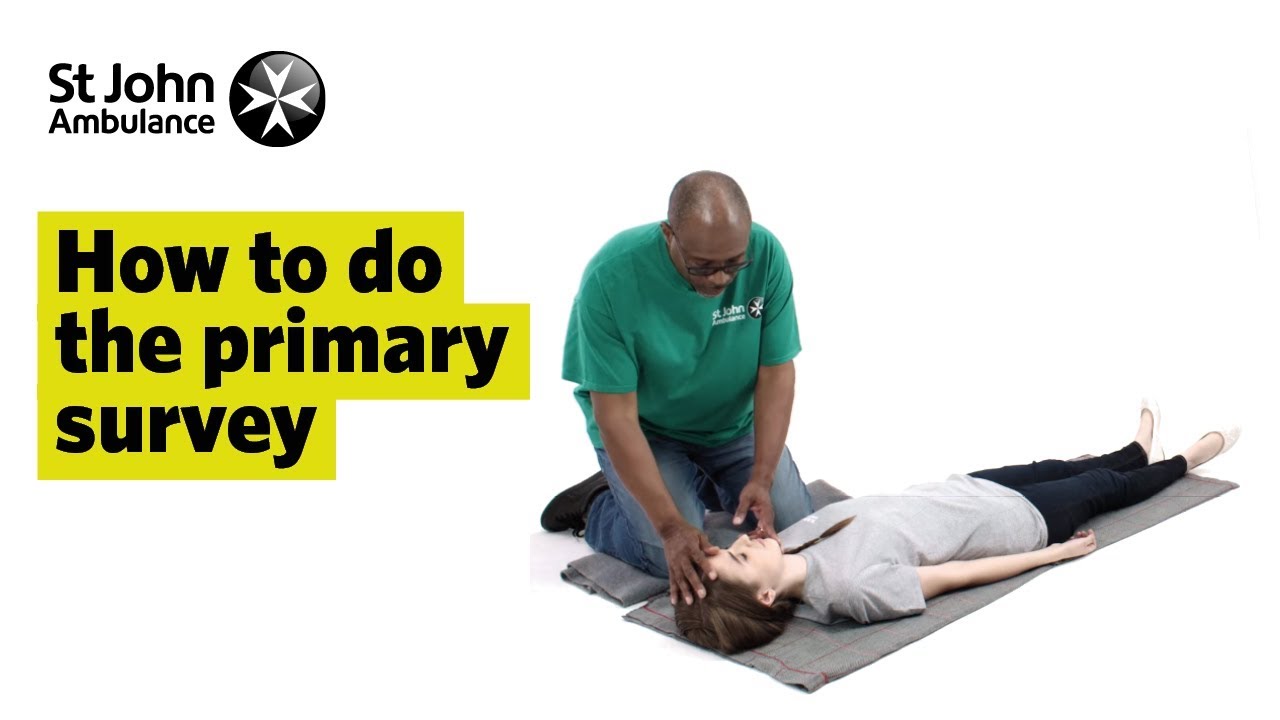
Before jumping into mouth-to-mouth resuscitation, examining responsiveness is important for assessing whether a specific calls for prompt support. A straightforward technique is:
Gently tap the person's shoulder and yell loudly. Look for any type of indicators of activity or verbal response.If they don't react, proceed with examining their breathing.
Identifying No Breathing: A Secret Indicator
Identifying no breathing or uncommon breathing patterns is important for figuring out whether CPR is First Aid Courses Port Macquarie required:
Look for chest rise. Listen for breath sounds. Feel for breath on your cheek.If there's no normal breathing after 10 seconds, begin upper body compressions immediately.
Public Defibrillator Usage: A Crucial Tool
Public Access Defibrillators (PADs) save lives by bring back heart rhythm throughout cardiac arrest circumstances:
- Familiarize on your own with their location in public spaces. Follow voice motivates supplied by AEDs; they are designed to guide you with each step.
Using an AED First Aid Courses in Port Macquarie along with sluggish compression prices can considerably raise survival chances.
BLS Accreditation: Encouraging You with Knowledge
Obtaining BLS certification equips individuals with vital lifesaving skills:
Learn correct methods for grown-up, youngster, and infant resuscitation. Understand health center codes and methods associated with cardiac arrest situations.Having this expertise can infuse confidence when confronted with real-life emergencies.

Taking Turns on Compressions: Preventing Fatigue
When doing CPR alone can bring about fatigue very quickly; therefore taking turns with another rescuer becomes important:
- Switch every 2 mins or when fatigued. Ensure seamless shifts without stopping briefly compressions.
This practice aids keep appropriate blood circulation throughout the duration of the emergency situation.
Lower Compression Depth: When Is It Acceptable?
Typically, the suggested deepness for adult compressions has to do with 2 inches (5 centimeters). Nevertheless, particular situations may demand reduced midsts:
Very small grownups or adolescents could need adjustments based upon body type. Situations including expecting women might also require modified methods for safety reasons.Always focus on efficient compressions over sticking rigidly to deepness metrics if conditions warrant it.
Maintaining Composure Under Stressful Circumstances
Composure throughout emergency situations can not be overemphasized:
- Take deep breaths prior to responding. Focus on your training as opposed to panicking.
Keeping tranquility allows you to assume plainly and carry out strategies better during high-pressure situations like cardiac arrest events.
FAQs
What ought to I do if I see someone collapse?
Immediately inspect responsiveness by calling their name or tapping their shoulder carefully; if less competent and not breathing normally within 10 secs, call emergency services and begin mouth-to-mouth resuscitation immediately.
How do I understand if my compressions are effective?
Look for noticeable signs of flow; if their breast climbs visibly after each compression or you really feel a pulse return soon after beginning CPR-- these are good indicators!
Are there any kind of age-specific factors to consider in CPR?
Yes! Adjustments should be made based upon age groups; babies call for mild faucets while young children need lighter stress compared to grownups who gain from much deeper compressions up to 2 inches in depth.
What occurs if I make mistakes while doing CPR?
Even imperfect attempts at CPR are much better than not doing anything in all! Adhere to the basic actions diligently-- emergency -responders will certainly take over once they get here yet your treatment might save a life!
How does utilizing an AED fit into my CPR efforts?
An Automated External Defibrillator ought to be utilized as quickly as it's offered-- follow its prompts very carefully while proceeding upper body compressions till triggered otherwise by the tool itself!
Why should I go after BLS certification?
BLS qualification gives indispensable abilities that empower people not only expertly but personally-- it prepares you both mentally and physically for emergencies so you can act decisively!
Conclusion
Finding the ideal equilibrium between speed and performance in carrying out mouth-to-mouth resuscitation genuinely influences end results in emergency situation circumstances including cardiac arrest victims. From comprehending standard vs sophisticated life assistance concepts with inspecting responsiveness all while mastering public defibrillator use-- it's clear that education plays a significant role in outfitting people with lifesaving abilities required today especially prior to! Taking these facets right into account together with acknowledging when slower compression rates could verify helpful makes certain that everybody-- from nonprofessionals to healthcare experts-- can with confidence participate in acts of heroism despite situation!
By welcoming expertise around these fundamentals-- and obtaining qualifications-- we're all capable factors in the direction of constructing safer areas furnished against unexpected emergencies waiting simply around our corners! So get ready individuals-- the following time someone requires help-- you'll understand exactly what actions must be taken!